
Amplifying Marginalized Voices: Intersectionality in the Fight Against Injustice
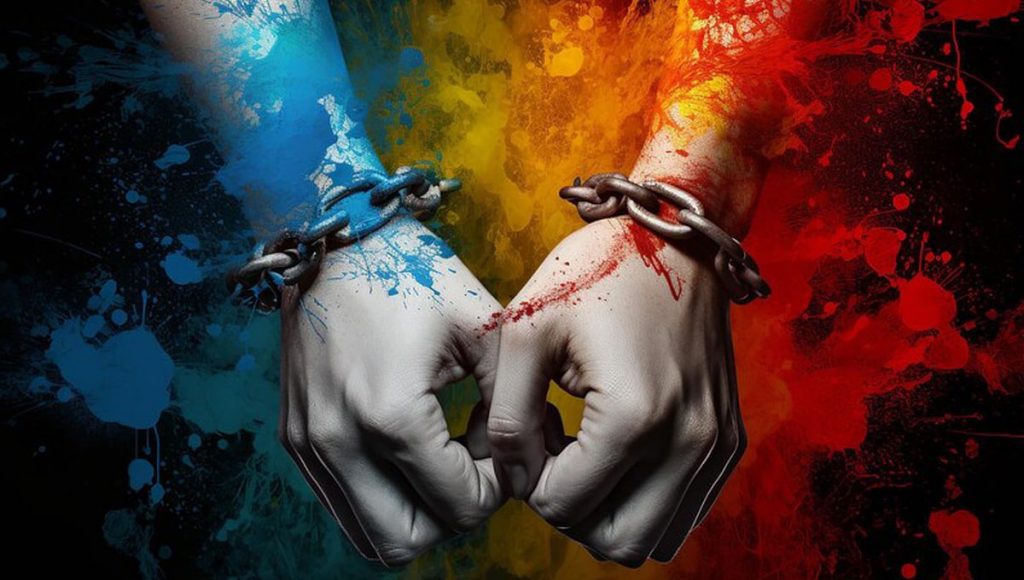
Introduction: In the fight against injustice, it is imperative to recognize the diverse experiences and intersecting identities of those affected. Marginalized communities, including people of color, LGBTQ+ individuals, immigrants, and people with disabilities, often face compounded forms of discrimination and violence. In this blog, we delve into the concept of intersectionality and explore how amplifying marginalized voices is essential for creating inclusive solutions and addressing systemic injustice. Understanding Intersectionality: Intersectionality acknowledges that individuals’ identities are shaped by multiple intersecting factors, such as race, gender, sexuality, class, ability, and more. These intersecting identities can compound discrimination and oppression, leading to unique experiences of marginalization. By understanding intersectionality, we can better grasp the complexity of systemic injustice and work towards solutions that address the diverse needs and experiences of marginalized communities. Amplifying Marginalized Voices: Amplifying marginalized voices is essential for ensuring that the experiences and perspectives of all individuals are heard and valued. By centering the voices of marginalized communities in conversations about injustice, we can shed light on the systemic barriers they face and advocate for more inclusive and equitable solutions. Platforms and initiatives that amplify marginalized voices, such as social media campaigns, community forums, and media representation, play a crucial role in challenging dominant narratives and promoting diversity and inclusion. Recognizing Intersecting Forms of Oppression: Intersectionality prompts us to recognize and address the intersecting forms of oppression faced by marginalized communities. For example, LGBTQ+ people of color may experience discrimination based on both their race and sexual orientation, leading to unique challenges in accessing resources and support. By acknowledging these intersecting forms of oppression, we can develop more comprehensive strategies for combating systemic injustice and promoting social justice for all. Creating Inclusive Spaces and Policies: Creating inclusive spaces and policies requires a commitment to addressing the intersecting needs of marginalized communities. This may involve implementing diversity and inclusion training programs, adopting anti-discrimination policies, and actively seeking input from marginalized communities in decision-making processes. By prioritizing inclusivity and equity, we can create environments where all individuals feel valued, respected, and empowered to advocate for change. Case Study: Intersectional Advocacy in Action Consider the example of a grassroots organization led by LGBTQ+ immigrants advocating for immigration reform. By centering the voices and experiences of LGBTQ+ immigrants, the organization highlights the unique challenges faced by this marginalized group within the broader immigrant rights movement. Through intersectional advocacy, they advocate for policies that address the specific needs of LGBTQ+ immigrants, such as inclusive asylum procedures and protections against discrimination. Conclusion: Amplifying marginalized voices and understanding intersectionality are essential steps in the fight against systemic injustice. By recognizing the diverse experiences and intersecting identities of marginalized communities, we can develop more inclusive solutions and advocate for policies that address the root causes of oppression. Let us commit to amplifying marginalized voices, challenging systems of oppression, and building a more just and equitable society for all. Latest Blog
Breaking the Cycle: Educating Youth on Consent and Respect
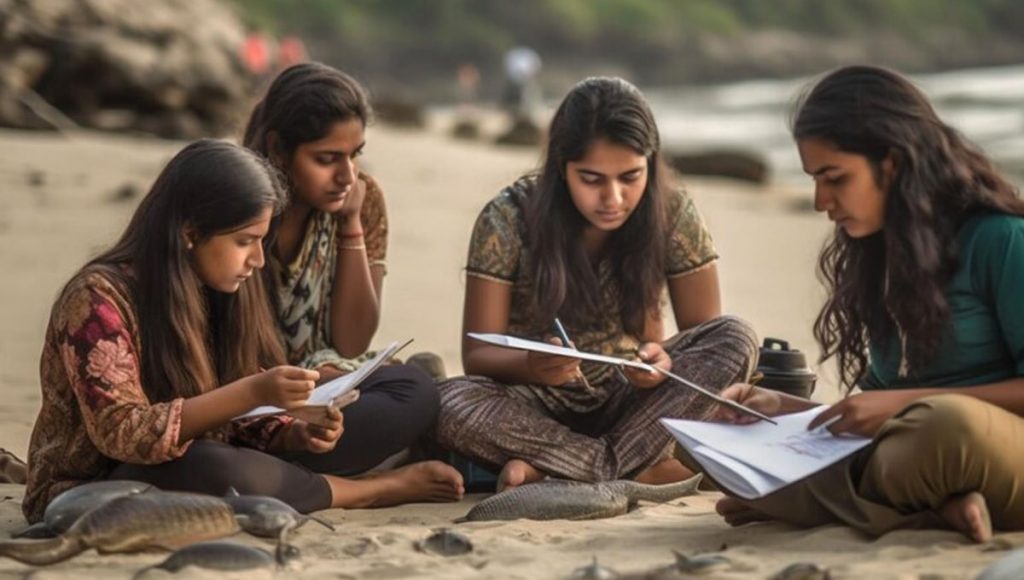
Introduction: The path to building a society free from abuse and violence begins with education, particularly among our youth. By instilling values of consent, boundaries, and respect early on, we can break the cycle of abuse and empower future generations to cultivate healthy relationships. In this blog, we delve into the importance of educating youth on these critical topics and the transformative impact it can have on preventing future instances of abuse and violence. The Significance of Early Education: Early education on consent, boundaries, and respect is essential in shaping attitudes and behaviors towards relationships and interpersonal interactions. By introducing these concepts in childhood and adolescence, we provide young people with the tools and understanding they need to navigate healthy relationships and recognize the importance of mutual respect and consent. Fostering Healthy Relationship Dynamics: Education on consent and respect lays the foundation for fostering healthy relationship dynamics based on mutual understanding, communication, and empathy. By emphasizing the importance of respecting others’ boundaries and autonomy, we empower youth to establish healthy boundaries in their own relationships and recognize red flags for abuse or coercion. Addressing Power Imbalances and Gender Norms: Education on consent and respect also provides an opportunity to challenge harmful power imbalances and gender norms that contribute to patterns of abuse and violence. By promoting gender equality and dismantling stereotypes that perpetuate toxic masculinity or victim-blaming attitudes, we can create a culture that values and respects the autonomy and agency of all individuals. Implementing Comprehensive Sex Education: Comprehensive sex education programs play a crucial role in providing young people with accurate information about consent, healthy relationships, and sexual health. By integrating discussions on consent, boundaries, and respect into sex education curricula, we equip youth with the knowledge and skills they need to make informed decisions and navigate sexual encounters safely and consensually. Case Study: The Impact of Comprehensive Sex Education Consider the example of a high school that implemented a comprehensive sex education program, including modules on consent and healthy relationships. Over time, students reported greater awareness of their rights and responsibilities in relationships, along with a decreased tolerance for behaviors that violated consent or boundaries. As a result, instances of dating violence and sexual harassment within the school community decreased significantly, creating a safer and more supportive environment for all students. Conclusion: Educating youth on consent, boundaries, and respect is not only crucial for preventing future instances of abuse and violence but also for fostering a culture of empathy, equality, and mutual respect. By providing young people with the knowledge and skills they need to navigate healthy relationships and recognize the importance of consent, we can break the cycle of abuse and empower future generations to build a society where all individuals are treated with dignity and respect. Together, let us commit to educating and empowering youth to create a future free from violence and abuse. Latest Blog
Empowering Survivors: Healing Through Community Support

Introduction: In the aftermath of trauma and abuse, survivors often find themselves navigating a difficult journey towards healing. However, one of the most potent sources of strength lies in the support and solidarity of their communities. In this blog, we delve into the transformative power of community support in empowering survivors to reclaim their lives and find healing. The Importance of Community Support: Community support plays a pivotal role in the healing process of survivors. By providing a safe and empathetic space, communities can offer validation, understanding, and encouragement to those who have experienced trauma. This support is essential in breaking the isolation and shame that survivors may feel, allowing them to realize that they are not alone in their journey. Building Empathy and Understanding: Empathy is a cornerstone of effective community support. By listening to survivors’ stories with compassion and without judgment, community members can create an environment where survivors feel heard and validated. This empathy fosters understanding of the complex emotions and challenges that survivors face, paving the way for meaningful support and connection. Creating Supportive Networks: Establishing support networks within communities is crucial for survivors’ healing journeys. These networks can take various forms, including support groups, online forums, and peer mentoring programs. By connecting survivors with others who have walked similar paths, these networks offer a sense of belonging and solidarity, along with practical guidance and emotional support. Encouraging Empowerment and Agency: Empowering survivors to reclaim their agency and voice is a central aspect of community support. Through validation and encouragement, communities can help survivors recognize their strengths and resilience. Providing resources and opportunities for survivors to engage in advocacy and activism can further empower them to speak out against injustice and create positive change in their communities. Case Study: The Healing Power of Community Let’s consider the case of a survivor of domestic violence who found solace and support through her local community center. Through participation in support groups and counseling services, she connected with other survivors and received validation and encouragement to rebuild her life. Empowered by the compassion and solidarity of her community, she eventually became a vocal advocate for survivors’ rights, helping to raise awareness and support for domestic violence prevention initiatives in her community. Conclusion: In the journey towards healing, survivors of trauma and abuse do not have to walk alone. Community support serves as a beacon of hope, providing validation, empathy, and empowerment to those who have experienced trauma. By fostering understanding, building supportive networks, and encouraging survivors to reclaim their agency, communities play a vital role in empowering survivors to heal and thrive. Together, we can create communities where survivors are not just supported but truly empowered to reclaim their lives and speak out against injustice. Latest Blog